Photo Credit: Generated with ChatGPT.
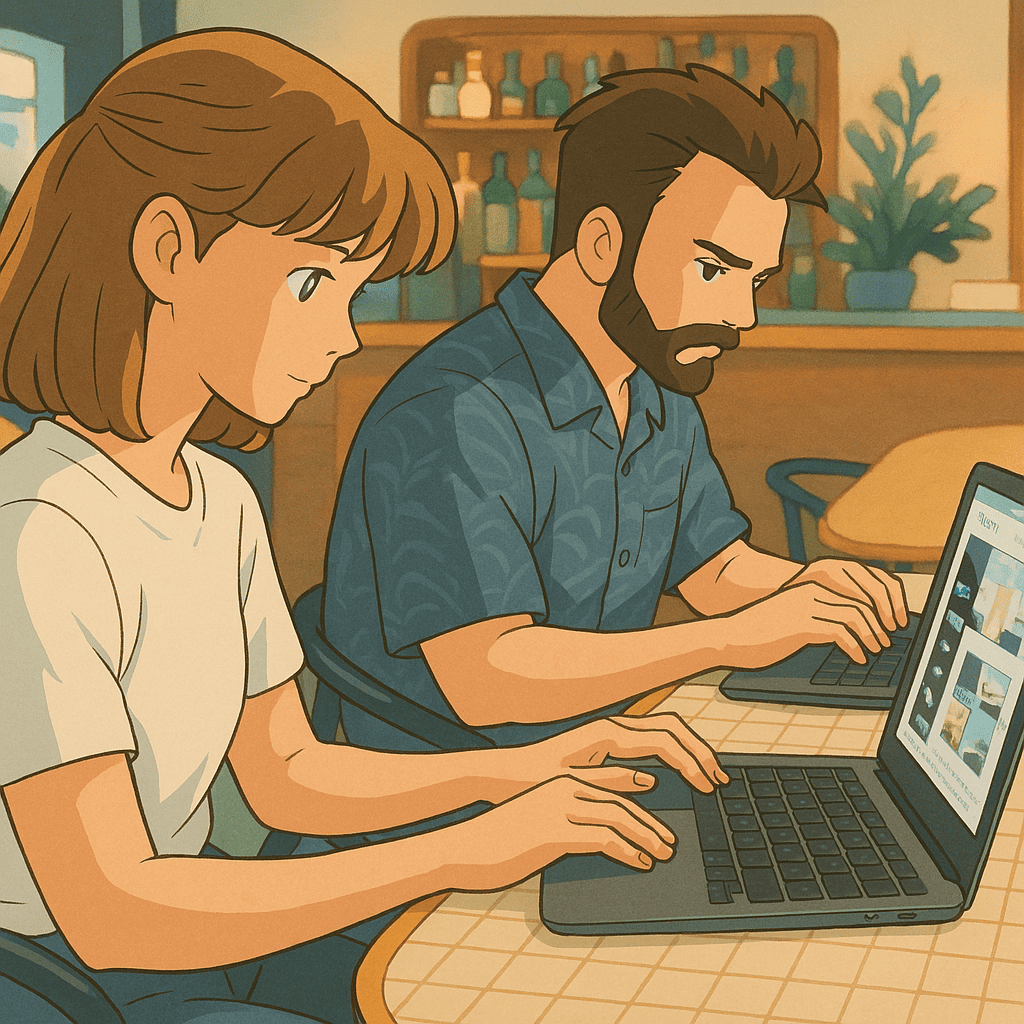
Imagine turning an ordinary photograph into a scene straight out of a Studio Ghibli film. Soft sunlight filtering through trees, quiet moments charged with emotion, and a sense of calm that feels almost timeless. What once belonged solely to hand-drawn animation now lives across social media feeds. AI-generated visuals inspired by Studio Ghibli’s iconic style have surged in popularity, giving rise to what many now call Ghiblification.
The trend is not just another internet aesthetic. It sits at the intersection of technology, nostalgia, and creative ethics. And the questions it raises extend far beyond one animation studio.
At its heart, the Ghibli AI phenomenon forces us to examine how we define creativity in an era where machines can imitate what once took decades of human mastery.
Why the Internet is so Drawn to Ghiblification
The rapid adoption of Ghiblification is closely tied to the evolution of AI image-generation tools. Platforms like ChatGPT, DeepAI, Grok, and similar systems have made advanced visual transformation accessible to almost anyone. With a few prompts, users can reinterpret portraits, landscapes, and cultural moments in a visual language that feels warm, hand-crafted, and emotionally familiar.
This accessibility is a major reason the trend resonates so strongly. Studio Ghibli’s films aree deeply rooted in collective memory. They evoke childhood, stillness, wonder, and quiet introspection. When AI allows people to place themselves or their surroundings inside that world, it creates a powerful emotional loop.
As noted by Forbes, this trend also reflects a broader cultural shift. Creativity is no longer limited to trained professionals or expensive tools. Technology has lowered barriers, allowing more people to participate in visual storytelling. In that sense, Ghiblification feels less like imitation and more like participation.
Design and UX communities have taken notice as well. According to UX Design Magazine, this trend highlights how classic visual systems can be reinterpreted through modern digital frameworks. It becomes an experiment in translation, not replication. Still, the speed at which it spread ensured that admiration quickly gave way to debate.
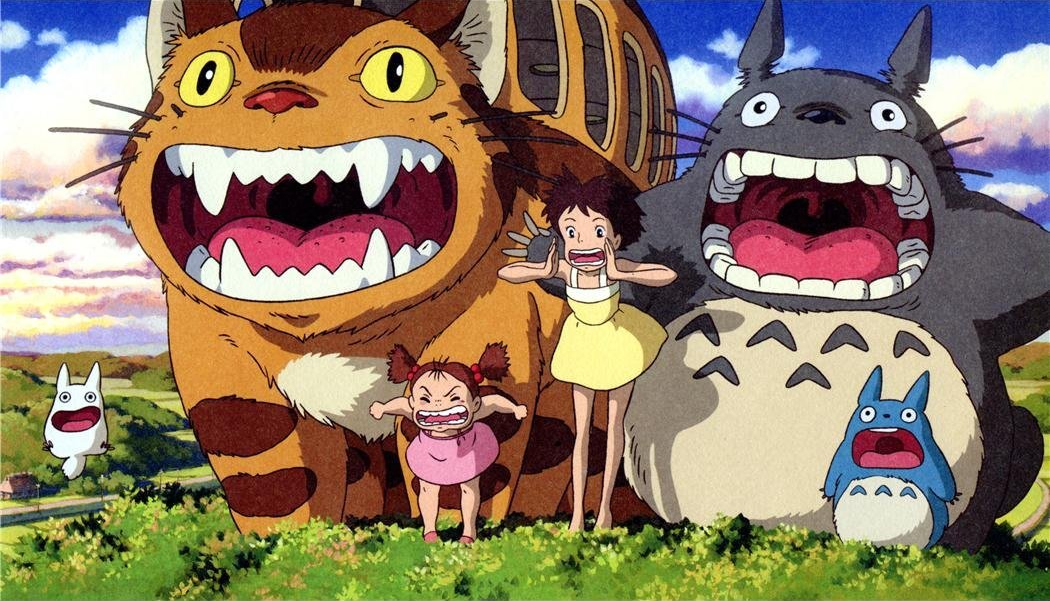
Photo Credit: Screenshot of My Neighbor Totoro film. Taken from Google.
The Good, The Bad and The Beautiful
Why People Love It
- Creative Access at Scale
AI-powered tools invite people into creative spaces they may have felt excluded from. You no longer need years of drawing practice to explore visual storytelling. That sense of openness is powerful. - A New Way to Experience Nostalgia
For fans of Spirited Away, My Neighbor Totoro, and Princess Mononoke, Ghiblification offers a fresh emotional connection. It allows familiar aesthetics to live in modern contexts, bridging generations and technologies. - A Catalyst for Conversation
Perhaps most importantly, the trend has opened serious discussions about creativity, authorship, and the role of technology in art. It has pushed these conversations into the mainstream rather than keeping them confined to niche creative circles.
Why It Makes People Uncomfortable
- Ownership and Copyright Questions
Studio Ghibli’s visual style is instantly recognizable. Critics argue that replicating such a distinctive aesthetic without permission blurs the line between inspiration and infringement. Even when no specific scene is copied, the resemblance raises valid concerns. - The Value of Human Craft
Traditional animation is slow, labor-intensive, and deeply personal. Many artists fear that widespread AI generated art risks reducing that effort to a visual present, stripping away the context, struggle, and intent behind the work. - Ethical Uncertainty
At a deeper level, Ghiblification forces us to ask uncomfortable questions. If machines can replicate the look of meaningful art, what happens to the meaning itself? Does ease dilute value?
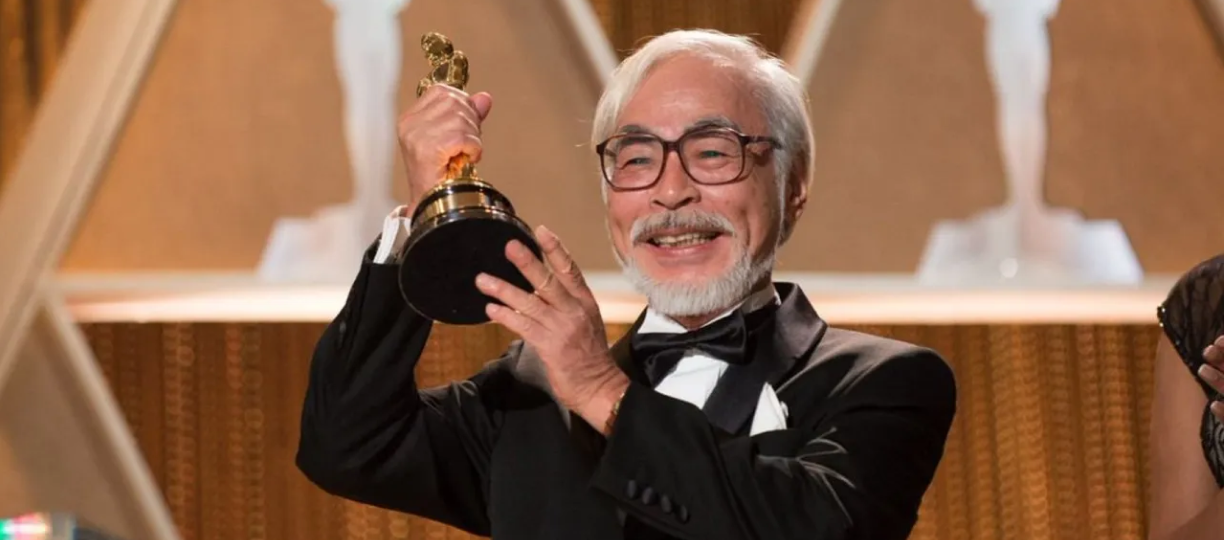
Photo Credit: Hayao Miyazaki at the Oscars. Taken from Google.
Hayao Miyazaki and the Human Core of Art
Any conversion about Studio Ghibli must acknowledge Hayao Miyazaki. As co-founder and creative force behind the studio, Miyazaki has long championed hand-drawn animation and human-centered storytelling. His criticism of AI-generated art, famously calling it “an insult to life itself,” continues to circulate widely and remains deeply relevant.
For Miyazaki, this debate is not anti-technology. It is pro-human. His films are built on observation, empathy, and live experience. The slightly uneven lines in Kiki’s Delivery Service. The lingering silence in Grave of the Fireflies. These elements are not flaws. They are expressions of humanity.
While AI can study patterns and replicate visual styles, critics argue that it cannot replicate memory, grief, joy, or intention. It can produce an image that looks like Ghibli, but it cannot understand why Ghibli resonates. That distinction sits at the emotional center of the backlash.
Backlash, Debate, and the Bigger Industry Question
As Ghiblification grew, so did resistance. Some dismiss the criticism as gatekeeping. Others see the trend as a warning sign for creative industries already under pressure from automation.
Online spaces reflect this divide clearly. One side argues that creativity evolves and tools change. The other insists that respecting craft and original creators should remain non-negotiable.
This tension mirrors challenges faced across design, branding, writing, and art. How do we use AI as an enabler without allowing it to flatten culture? How do we protect intellectual property while still encouraging experimentation?
These questions have no easy answers. But avoiding them entirely is no longer an option.
So Where Do We Go From Here?
The Ghibli AI trend sits in a grey zone. It represents genuine creative curiosity and real ethical risk at the same time. It celebrates technological progress while reminding us of what could be lost if intention disappears from the process.
The future of creativity will not be defined by rejecting AI outright or embracing it blindly. It will be shaped by how thoughtfully we use it. Tools should extend human imagination, not replace it. Technology should support storytelling, not hollow it out.
If Studio Ghibli’s legacy teaches us anything, it is that meaningful art comes from care, patience, and emotional honesty. That truth still matters, regardless of how advanced our tools become.
If you’re exploring how design, storytelling, and emerging technology can work together without losing authenticity, we’d love to collaborate.