
December is less about announcements and more about direction. As the year closes, patterns become easier to see. What is holding strong, what is losing relevance, and what is quietly reshaping how brands, products, and platforms operate.
This month’s insights point to a clear theme across industries. Clarity is winning over complexity. Usefulness is replacing novelty. Systems are becoming more human, even when they are powered by advanced technology. From visual identity and web development to search behavior and AI adoption, December establishes a clear baseline for how 2026 is likely to unfold.
Key Takeaways for Design
Highlighting key updates and observations from the design world, spanning graphic design, packaging, branding, visual storytelling and platforms.
1. 2026’s Color of the Year signals a Design Pause, says Pantone
THE SHIFT
Pantone has chosen Cloud Dancer, a soft white, as its color of the year for 2026. This is the first time a shade of white has been selected, breaking away from the bolder color choices the announcement is usually known for.
WHAT IT MEANS
Pantone describes Cloud Dancer as a calm, open white that reflects a need for quiet and breathing room. Even though it looks close to plain white, the shade is expected to show up across products, interiors, and brand collaborations. The choice follows Pantone’s long-standing approach of using color to reflect cultural mood rather than visual trends or excitement.
ZAAPR’S POINT OF VIEW
This pick suggests that design right now is less about standing out and more about creating space. Choosing white points to a broader slowdown, where clarity, restraint, and simplicity feel more valuable than visual noise. It also shows how even subtle design choices can carry meaning and start conversations when they appear minimal or neutral.
SOURCE
Read more via Pantone
2. A Case for Cultural Fluency in Visual Identity
THE SHIFT
The new visual identity of Saudi Now introduces a genuinely bilingual wordmark that blends a British sans serif lettering with custom Arabic calligraphy in a single, cohesive logo. Instead of placing the two languages next to each other, the logo integrates languages so both read clearly.
WHAT IT MEANS
Bilingual logos are notoriously difficult to pull off well because the scripts follow very different rules. Here the approach is not about direct translation but visual alignment. The letterforms are designed to sit naturally together, creating balance and rhythm across both languages. The system carries through motion, signage, and digital use, which helps it feel active and contemporary rather than symbolic or ceremonial.
ZAAPR’S POINT OF VIEW
What works here is restraint and intent. The design does not try to over-explain the cultural connection. It simply lets both languages coexist as one idea. That makes the identity feel confident and inclusive without being forced. For brands operating across regions, this is a strong reminder that bilingual design works best when it is treated as a single system, not two versions sharing space.
SOURCE
Read more via Creative Bloq
3. AIGA NY introduces a Logo that Frames Design as a Civic Space
THE SHIFT
AIGA NY has refreshed its logo and identity to reflect how it actually operates. Instead of presenting itself as a formal design body, the new system positions AIGA NY as an open space of conversation, learning, and community.
WHAT IT MEANS
The logo is built around the familiar AIGA box, but the letterforms are arranged to create a clear empty space at the center. That space acts like a meeting point rather than a symbol. The identity is designed to be flexible and works across motion, print, and digital without feeling locked into one look. The color choices are drawn from everyday New York references, which helps the system feel lived-in rather than branded.
ZAAPR’S POINT OF VIEW
This update shows how identity can communicate intent, not just recognition. By treating the logo as a space rather than a fixed mark, AIGA NY mirrors how design communities actually work. For community-led brands, this is a good reminder that identity works best when it mirrors real behavior, not hierarchy or polish.
SOURCE
Read more via Print Mag
4. Yellow Text becomes a Visual Cue for Emotion on TikTok
THE SHIFT
Yellow text has started showing up more often in TikTok captions. Creators are using it deliberately, not as a design choice, but as a way to signal that what follows is personal, emotional, or meant to be read differently from the rest of the content.
WHAT IT MEANS
On TikTok, color is becoming part of the message. Longer captions written in yellow are being used to frame thoughts that feel more honest, vulnerable, or self-aware. Sometimes it’s sincere, sometimes it’s tongue-in-cheek, but the meaning is understood without explanation. Viewers know how to read it because the platform has built its own visual shorthand over time.
ZAAPR’S POINT OF VIEW
This trend shows how quickly visual language forms online. A single color now carries tone in the same way emojis or punctuation once did. On social platforms, typography is less about style and more about signaling intent. For brands and creators, this is a reminder that design on these platforms is contextual. Meaning comes from how people use it, not how it looks in isolation.
SOURCE
Read more via Inc.
5. What Canva’s Trends Say About Design Fatigue
THE SHIFT
Canva is seeing more people use visuals that feel raw, handmade, or imperfect. Instead of glossy, polished layouts, creators are leaning into textures, lo-fi styles, and looks that feel more personal or nostalgic.
WHAT IT MEANS
Search behavior points to a few clear preferences: DIY layouts, zine-like grids, grainy textures, and uneven types are all trending up. At the same time, simpler pages with less obvious branding are getting attention too. AI tools are still part of how these visuals are made, but the goal now isn’t perfection—it’s character. People want designs that feel like someone made them, not software did them.
ZAAPR’S POINT OF VIEW
This feels like a reaction to visual sameness. When everyone has access to the same tools and templates, what separates one design from another isn’t polish — it’s personality. Little perfections, texture, and unexpected layouts now act as signals of intent. They make work feel relatable instead of manufactured. For creators and brands, that means thinking less about looking slick and more about looking real.
SOURCE
Read more via Canva
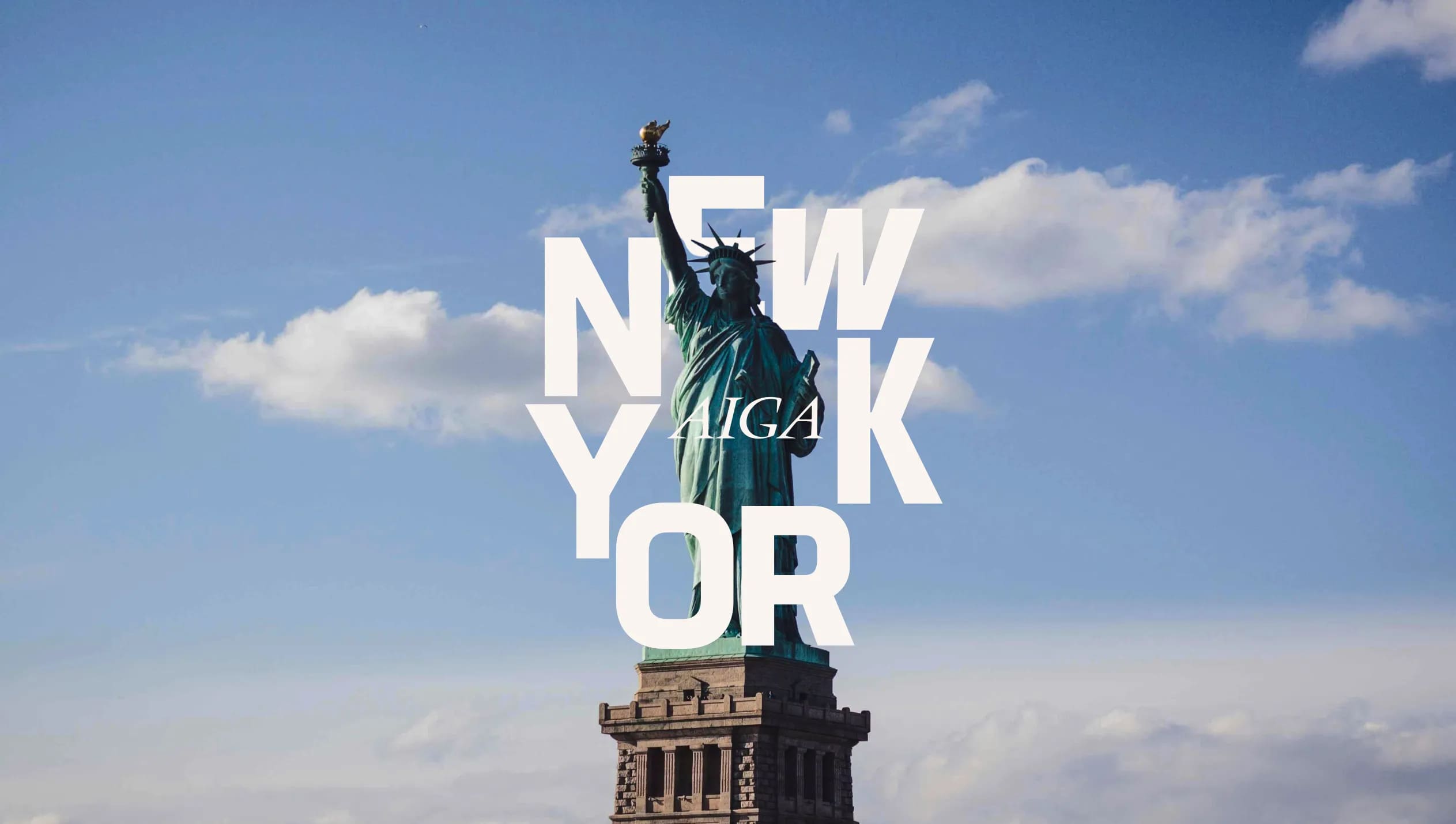
Photo Credit: AIGA NY
Key Takeaways for Development
Exploration and observations from the development process, covering web design, UX/UI, and the tools that power our workflow.
1. Webflow turns Dynamic Job Listings into a No-Code Workflow
THE SHIFT
Webflow has published a walkthrough showing how job boards can be kept up to date automatically using its CMS along with API-based workflows. Instead of manually adding or editing listings, content can be pulled in and updated on its own.
WHAT IT MEANS
Job data from external sources can now flow straight into a website in a structured way. The setup relies on clean CMS models and automation tools rather than custom backend logic. Once in place, listings update, refresh, and scale without ongoing manual effort. This makes job boards and similar content-heavy sections easier to manage over time.
ZAAPR’S POINT OF VIEW
This reflects a wider shift in how modern websites are being built. Automation and APIs are taking over tasks that once required heavy backend development. When content is structured properly, tools like Webflow can handle dynamic updates at scale without adding complexity. For teams, that means faster build, fewer maintenance headaches, and systems that are easier to adapt as needs change.
SOURCE
Read more via Webflow
2. Penpot adds AI Features to its Open Source Design Platform
THE SHIFT
Penpot is starting to bring AI directly into its open source design workflow. Instead of adding separate AI tools, the platform is weaving assistance into how designers already edit, review, and hand off work.
WHAT IT MEANS
Design changes that once required manual SVG edits can now be guided through simple text instructions. On top of that, Penpot can turn design files into structured UI and UX documentation automatically. What matters here is not just the features, but how they are being built. The AI systems are designed to work within an open-source environment, using custom datasets and infrastructure that align with Penpot’s community-first approach.
ZAAPR’S POINT OF VIEW
This is a sign that AI is moving closer to the core of design and development workflows. In Penpot’s case, AI is being used to reduce friction between design and code rather than replace either side. For open-source tools, this is especially important. It shows that advanced AI can exist alongside transparency, collaboration, and shared ownership, without turning the platform into a black box.
SOURCE
Read more via Neurons Lab
3. Microsoft plans Large-Scale Shift from C and C++ to Rust
THE SHIFT
Microsoft is planning a large move away from C and C++, aiming to migrate a massive amount of its existing codebase to Rust. To handle the scale, the company is leaning on AI tools instead of trying to rewrite everything by hand.
WHAT IT MEANS
This is less about chasing a new language and more about fixing long-standing problems. Older system languages come with security and stability risks that are hard to manage at scale. Rust offers safer memory handling and better control over complex, concurrent code without sacrificing performance. By using AI to analyze and translate existing code, Microsoft is trying to reduce risk without slowing development to a halt.
ZAAPR’S POINT OF VIEW
What stands out here is the intent, not just the technology. This move shows how seriously large platforms are taking long-term reliability. It also signals a shift in how technical debt is handled. Instead of letting legacy systems pile up, AI is now being used as a practical tool to clean, migrate, and future-proof core infrastructure. For teams working at scale, this sets a clear direction: safety and maintainability are becoming non-negotiable.
SOURCE
Read more via India Today
4. Web Components are Finding Their Way Back
THE SHIFT
Web Components are starting to show up again in real projects. After years of being overshadowed by large JavaScript frameworks, teams are revisiting native browser components as a simpler way to build and reuse interface elements.
WHAT IT MEANS
Browsers have quietly caught up. Most of the rough edges that made Web Components hard to use in the past are no longer a major issue. At the same time, many teams are feeling the weight of complex frameworks, long build chains, and heavy dependencies. Web Components offer a more direct approach. They work across different setups, don’t tie teams to a single framework, and rely on standards the browser already understands.
ZAAPR’S POINT OF VIEW
This feels less like a comeback and more like a correction. When projects grow and stacks get messy, simplicity starts to matter again. Web Components won’t replace frameworks overnight, but they give teams a stable base for shared UI and long-term systems. For products that need to scale across platforms or tech stacks, going closer to the platform can be a smart move.
SOURCE
Read more via The New Stack
5. What Cursor’s Figma-like Features say about Design Handoffs
THE SHIFT
Cursor is moving beyond being just a coding tool. With its new visual editing capabilities, it’s starting to bring design controls directly into the same space where code is written and shipped.
WHAT IT MEANS
Instead of switching between design files and development environments, teams can now adjust layouts, spacing, and visual elements closer to the actual codebase. Design changes are no longer abstract or hand-off driven. They happen where the product is being built. This reduces the gap between how something looks in a mockup and how it behaves in the final product.
ZAAPR’S POINT OF VIEW
This points to a larger shift in how digital products are made. The line between design and development is thinning, not because one replaces the other, but because the tools are starting to overlap. When visual decisions live closer to real code, teams move faster and lose less context along the way. For product teams, this is less about new tools and more about removing friction from everyday collaboration.
SOURCE
Read more via Wired

Key Takeaways for Digital Marketing
Exploring the latest trends, strategies, and insights in digital marketing that are shaping how brands connect, engage, and grow online.
1. Spotify moves Wrapped from Culture to Strategy
THE SHIFT
Spotify has expanded Wrapped beyond a fan-facing recap and turned it into a tool for advertisers. Brands can now look at how people actually listened over the year and use those patterns directly while planning campaigns.
WHAT IT MEANS
Instead of relying only on broad audience assumptions, advertisers get a clearer picture of listening behaviour across formats, genres, and devices. The data also highlights how different markets behave in their own way. In India, for example, growth in lo-fi, relaxation, folk, and spoken-word content stands out, and most listening happens on mobile. Audio consumption here is shaped as much by context and habit as by music taste.
ZAAPR’S POINT OF VIEW
This is a shift from insight as storytelling to insight as infrastructure. Wrapped used to be a cultural moment designed for sharing. By turning it into a planning layer, Spotify is connecting culture directly to media decisions. For brands, this means fewer guesses and more relevance. Understanding how people actually listen, not just what they listen to, is becoming central to how audio advertising is planned and measured.
SOURCE
Read more via Storyboard 18
2. Google’s December Core Update redraws Search Rankings
THE SHIFT
Google wrapped up its December 2025 core update after nearly three weeks of ranking changes. The update rolled out globally and reshaped how content appears across Search and Discover.
WHAT IT MEANS
This was a broad quality update, not a targeted penalty. Google reassessed content across categories and regions, which led to clear winners and losers. Some sites saw steady gains, others took sharp drops, and many experienced volatility in waves through mid and late December. By the end of the month, rankings had largely settled into new patterns.
ZAAPR’S POINT OF VIEW
Updates like this reset the baseline. By January, most sites are no longer in flux, but operating under a new set of signals. The takeaway is not to chase the update itself, but to understand what Google is consistently rewarding. Clear structure, useful content, and strong intent matching matter more than short-term tactics. December’s update sets the tone for how content will be evaluated as 2026 begins.
SOURCE
Read more via Google Search Central
3. YouTube Shorts Ads Go Interactive: Engagement Meets Performance
THE SHIFT
YouTube Shorts ads now support comments, direct links from creators, and expanded placements to mobile web. The change turns short-form ads from passive impressions into interactive, community-driven experiences. Brands can now see real-time engagement and connect with audiences wherever they consume Shorts content.
WHAT IT MEANS
This update gives advertisers a clearer way to measure engagement and creative effectiveness. Instead of only tracking views or clicks, teams can now assess audience reactions, link performance, placement impact, and interaction trends. The result is a more actionable understanding of what drives attention and conversions in short-form environments.
ZAAPR’S POINT OF VIEW
YouTube is blurring the line between paid ads and organic content. Brands that embrace conversation, creator-driven campaigns, and direct audience interaction will gain more meaningful engagement. By leveraging comments and links strategically, teams can reduce guesswork and make short-form campaigns more performance-driven—especially during high-stakes periods like the holidays.
SOURCE
Read more via The Tech Buzz
4. What Instagram’s Algorithm Shift means for Brands
THE SHIFT
Instagram is giving users more control over what they see with a new feature called Your Algorithm. People can now adjust the topics that appear in their Reels feed, choosing to see more of what interests them and less of what doesn’t. This is a big move from purely automated recommendations to a feed shaped by the user, not just AI.
WHAT IT MEANS
For users, this makes content discovery more intentional and personalized. For brands and creators, it changes the game: visibility now depends on aligning with the interests users actively signal, not just relying on guesswork. Relevance matters more than ever, and engagement will come from content that resonates with real user intent.
ZAAPR’S POINT OF VIEW
This update highlights a broader trend: social platforms are becoming more transparent and user-driven. Brands that focus on relevance, listen to their audience, and create content that matches declared interests will stand out. It’s not enough to rely on algorithmic luck anymore — winning attention requires understanding what the audience actually wants to see and delivering it consistently.
SOURCE
Read more via Search Engine Land
5. LinkedIn unlocks Top-of-Feed Ads for all: Visibility you can count on
THE SHIFT
LinkedIn is opening its premium top-of-feed ad placement, previously reserved for select advertisers, to all managed advertisers. This gives brands guaranteed visibility at the very start of a user’s feed across multiple ad formats, including video, image, and document ads. It’s a move that makes high-attention positions accessible to more marketers, not just those with dedicated reps.
WHAT IT MEANS
For brands, this changes the predictability and planning of campaigns. Instead of hoping to appear at the top of the feed, advertisers can now secure it by design. This ensures consistent early visibility, strengthens brand recall, and allows campaigns to perform more reliably. Strategically, it shifts LinkedIn from a “sometimes seen” platform to a place where presence can be guaranteed in a professional, high-value environment.
ZAAPR’S POINT OF VIEW
LinkedIn is acknowledging a fundamental truth: premium placement drives attention and impact. But securing the top of the feed isn’t enough on its own. Brands that succeed will combine this visibility with purposeful creative, clear messaging, and relevance to their professional audience. This update gives teams a chance to be seen first, but winning the conversation requires content that earns attention and engagement — not just occupying space.
SOURCE
Read more via The Keyword

Photo Credit: Alphabetical
More Insights
Read further about December key updates, trends, and moves in fields of design, development, and marketing.
1. Google Reduces Audience Size Requirements to 100 Users in Ads
THE SHIFT
In December, Google lowered the minimum audience size to 100 users across its ad platforms, including Search, Display, YouTube, and Audience Insights. This opens up audience-based targeting to smaller customer lists and remarketing segments that previously didn’t meet minimum thresholds.
WHAT IT MEANS
Previously, smaller lists couldn’t be used effectively for audience targeting or insights. With this change, even modest traffic or niche customer lists can now be leveraged for campaigns. Brands with limited data can finally run targeted campaigns and gather meaningful performance insights without being blocked by minimum size rules.
ZAAPR’S POINT OF VIEW
This update removes a long-standing barrier in Google Ads, making audience targeting more flexible and accessible. It’s a win for smaller brands, niche campaigns, and anyone relying on first-party data. Marketers can now test and activate smaller segments, uncover new opportunities, and run smarter, more precise campaigns — without being limited by list size.
SOURCE
Read more via Perplexity
2. AWS launches Persistent AI Agents for DevOps and Development
THE SHIFT
AWS has launched Frontier AI Agents, autonomous AI tools designed to act as persistent teammates in software development, DevOps, and security. Unlike traditional AI assistants that respond to one task at a time, these agents can work independently over hours or days, maintain context, and handle complex workflows. Early previews include a virtual developer, a security-focused agent, and a DevOps operations agent.
WHAT IT MEANS
For engineering teams, this is a step beyond simple code suggestions. Frontier Agents can take ownership of repetitive or multi-step tasks — from code reviews and testing to incident response — freeing developers to focus on higher-value work. It also introduces a new way to measure efficiency: not just output, but quality, security, and operational reliability delivered by AI-driven workflows.
ZAAPR’S POINT OF VIEW
Frontier Agents signal a shift from AI as an assistant to AI as a collaborator. For tech teams, the opportunity lies in integrating autonomous workflows that augment human skill rather than replace it. The real impact isn’t just faster development — it’s smarter allocation of human effort, better security, and more consistent results. In 2026, the winning teams will be those who make AI an active, reliable part of their software development rhythm.
SOURCE
Read more via InfoWorld
3. OpenAI explores Ad-Driven Strategy around ChatGPT Scale
THE SHIFT
OpenAI is exploring a path where advertising becomes part of the ChatGPT experience. This includes partnerships with media companies and new ad formats integrated into AI interactions. The move signals a shift from a purely subscription-driven model to a scale-focused monetization strategy leveraging one of the most widely used AI platforms.
WHAT IT MEANS
For brands, this creates a new kind of advertising surface — one where intent and engagement are high because users are actively asking questions or seeking solutions. Unlike traditional display or search ads, this format will demand relevance, subtlety, and contextual integration to maintain trust and usefulness. Early adopters will need to rethink how they craft messaging for AI-driven interactions.
ZAAPR’S POINT OF VIEW
This isn’t just about ads — it’s about turning moments of attention into meaningful engagement. The brands that win won’t just push messages; they’ll offer value that fits seamlessly into the AI experience. OpenAI’s scale means even small, well-targeted campaigns could reach highly engaged audiences, but success will depend on precision, relevance, and alignment with user intent, not volume or repetition. This is a chance to rethink what digital advertising looks like in an AI-first world.
SOURCE
Read more via Search Engine Land
4. Nvidia releases New Open Source AI Models as Global Competition Grows
THE SHIFT
Nvidia has launched a new set of open-source AI models under its Nemotron family. Designed for tasks like writing, coding, and multi-step reasoning, these models are more efficient and cheaper to run than previous versions. The release comes as Chinese open-source models, such as those from DeepSeek and Alibaba, gain traction globally.
WHAT IT MEANS
This move positions Nvidia as more than just a chipmaker — it’s now a player in AI software and open innovation. Open-source access lets developers, researchers, and organizations inspect, adapt, and experiment with the models. In a market where some competitors are moving toward closed systems, Nvidia’s approach reinforces transparency, collaboration, and trust in AI development.
ZAAPR’S POINT OF VIEW
This launch highlights a key trend: AI leadership is now measured by both performance and accessibility. Open-source models aren’t just about cost or efficiency — they build credibility, trust, and research momentum. Nvidia is signaling that transparency matters in AI adoption, especially for sectors where security, accountability, and control are critical. In an increasingly competitive global AI landscape, open models remain a strategic differentiator, not just a technical one.
SOURCE
Read more via Reuters
5. Disney Licenses Beloved Characters for OpenAI’s Sora Platform
THE SHIFT
The Walt Disney Company is making a $1 billion equity investment in OpenAI as part of a three-year licensing deal. The agreement lets users of OpenAI’s Sora video generator and ChatGPT Images create AI content featuring Disney’s copyrighted characters, including properties from Disney, Marvel, Pixar, and Star Wars.
WHAT IT MEANS
OpenAI now has licensed access to over 200 iconic characters for AI-generated videos and images. Disney will also become a significant OpenAI customer, deploying ChatGPT internally. The deal creates a formal framework for using protected characters, addressing concerns around copyright in AI tools and setting a precedent for structured media partnerships.
ZAAPR’S POINT OF VIEW
This signals a strategic shift in how media companies handle AI-generated content. Rather than relying solely on legal action, Disney is partnering to control and monetize its IP. For the broader AI ecosystem, it highlights that access to popular intellectual property will increasingly depend on formal agreements, not open or unlicensed use. This is a clear example of collaboration over confrontation, balancing innovation with IP protection.
SOURCE
Read more via Open AI
Closing Insights
December 2025 highlights a clear trend: clarity, usefulness, and human-centered systems are winning across design, development, and marketing. From AI adoption and audience targeting to visual identity and platform strategy, the shifts this month show that brands who act intentionally and integrate emerging tools into their workflows will enter 2026 ahead of the curve.
At Zaapr, we help brands design meaningful experiences, optimize digital performance, and leverage emerging technologies—from AI-driven workflows, data-informed marketing. If your brand is ready to translate trends into growth, impact, and measurable results, let’s build it together.